
The World As Character
I tend to like playing with the world of my scenes. The circumstances of the sketches I write tend to be as much of a character as any of the people. The environment moves in unpredictable ways mimicking personality and therefore has as much work to do as any person. Just like we expect to see an inciting incident or character arc happen to a human character, I like playing with the idea that the world would undergo similar transformations. This is comedy acting as a hammer; where the world doesn't just contain the crisis, it is a participant in it. When the world behaves unexpectedly, the audience loses the ability to just go along with it and they are forced to examine.
In my Sketch Love You, Man, the world presents as normal until one of the characters wills it to collapse. The character, A, has been lying to himself for years, saying I love you to no one, pretending to have friends who he can express admiration for. When confronted by his roommate, B, the friction becomes so unsustainable that A forces the world to reflect it. B turns into a mirror, reflecting A back towards himself, once again talking to no one but himself. And the world accepts to be a part of this ruse. It decides to participate.
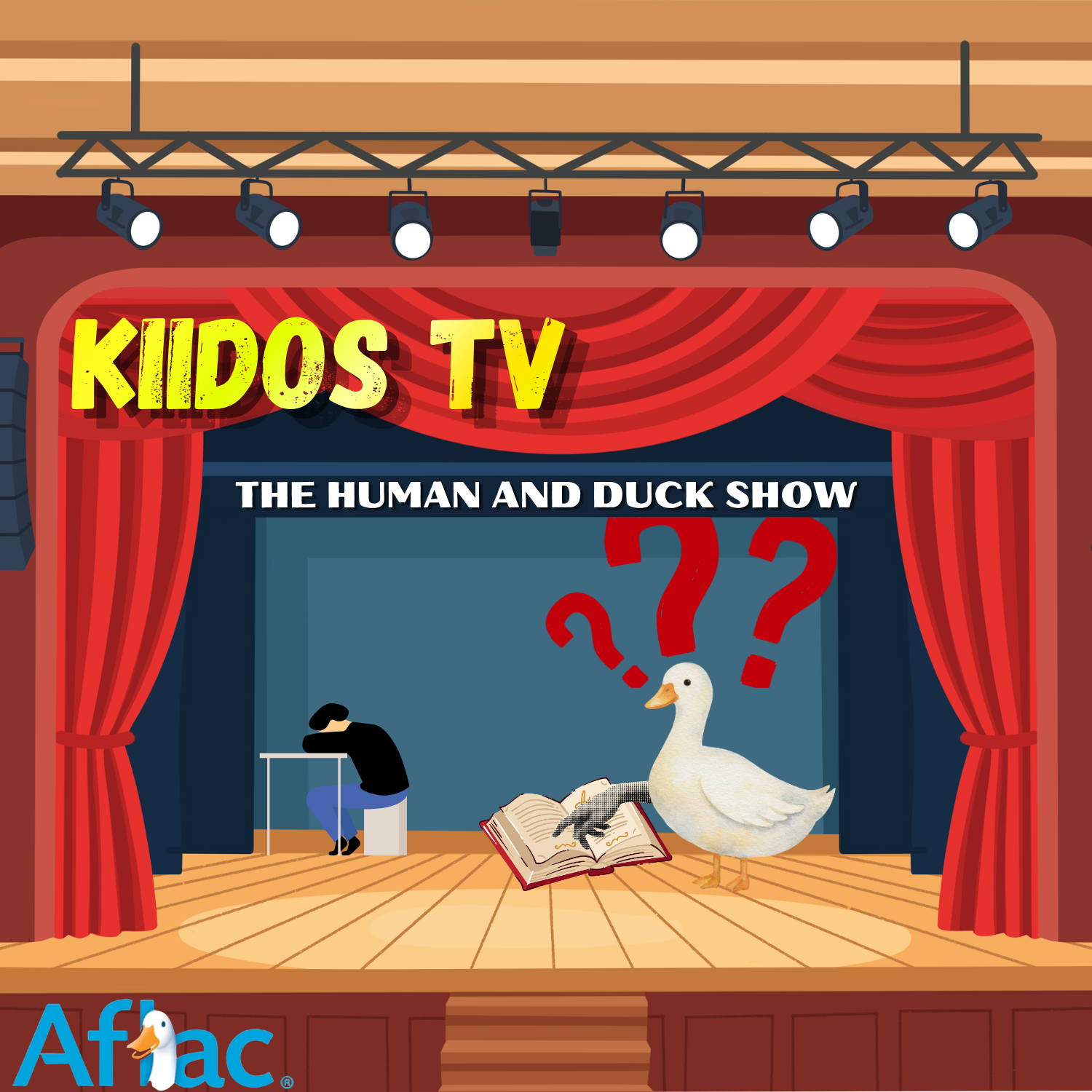
This theme of the world’s behavior is brought up again in my piece The
Human and Duck Show where we see the opposite reaction from the world.
It refuses to collapse no matter what.
As the Public Access Network Television show airs, and as the Human host
finds out that his Duck Co-host exhibits some horrible traits, no matter how hard the Human tries to stop the show the world
refuses to stop its mechanization. Canned laughter still plays after every terrible sentence uttered by the Duck until the Human is forced to resign his efforts admitting defeat to the world, that finally reveals its true colors, once the pursuit to topple it has ended.
At any moment these characters could have resigned themselves to a more nihilistic view. A could have accepted having no friends and thought to himself, "what's the point", and Human could have given into the mechanization, or quit the show all together knowing that pushing was trivial. This would not be conducive to their stories, or their lives. The comedy lands on us because we recognize ourselves in it. We've all been A, lying to ourselves. We've all been Human, fighting a system that won't stop. We laugh because ultimately the alternative, taking it seriously or literally, would break us. These sketches don't make the audience question the validity or point of their lives, but ask the audience to question the structure. It is taking the audience into the existential mindset, but always keeping them motivated about reality, but not constrained to it.